Running a small business is no small feat. Each day, new challenges arise, and while you may have a handle on your operations, there’s one crucial aspect you simply can’t overlook: insurance. Small business insurance is the unsung hero that can make the difference between a hiccup and a catastrophe. Without it, you’re essentially playing a high-stakes game of risk that could jeopardize everything you’ve worked for.
In this comprehensive guide, we’re diving deep into the world of small business insurance. We’ll explore the importance of having the right coverage, the variety that’s available, and how to choose the best provider. Buckle up as we unravel the complexities of small business insurance and equip you with the knowledge to safeguard your enterprise against the unexpected.
Importance of Small Business Insurance
Did you know that 40% of small businesses never reopen after a disaster? Small business insurance is your shield against the unexpected, helping you bounce back when challenges strike.
Insurance is not just a safety net. It’s a critical component for business continuity. Imagine this: a customer slips in your store and decides to sue. Without insurance, that lawsuit could drain your finances faster than you think. Or consider a fire that destroys your office. Insurance is what gets you back on your feet.
Risks Mitigated with Insurance
Every day, your business faces risks that can seem small until they happen. Liability claims, property damage, and even data breaches can bring your operations to a screeching halt. Here’s the deal: insurance helps mitigate these risks and ensures that one misstep doesn’t mean the end of your dream.
When you have the right coverage, you’re protecting your livelihood. But more importantly, you’re safeguarding the jobs of your employees and the trust of your customers.
Pro Tip: Always review your policy annually to ensure it keeps pace with your business growth.
Impact of Not Having Insurance
What happens when a small business doesn’t have insurance? The aftermath of uninsured incidents can be catastrophic. Financial loss is often the biggest hit, forcing business owners to dip into personal savings or, worse, close shop entirely. Relationships with clients can also suffer, as trust erodes when you can’t deliver on promises due to unforeseen setbacks.
Without insurance, you’re essentially leaving your business to chance. And in today’s unpredictable world, that’s a gamble no small business owner should take.
Types of Small Business Insurance
Did you know nearly 40% of small businesses have faced an insurance claim in the last decade? If you thought you could skate by without insurance, think again. Insurance is your safety net.
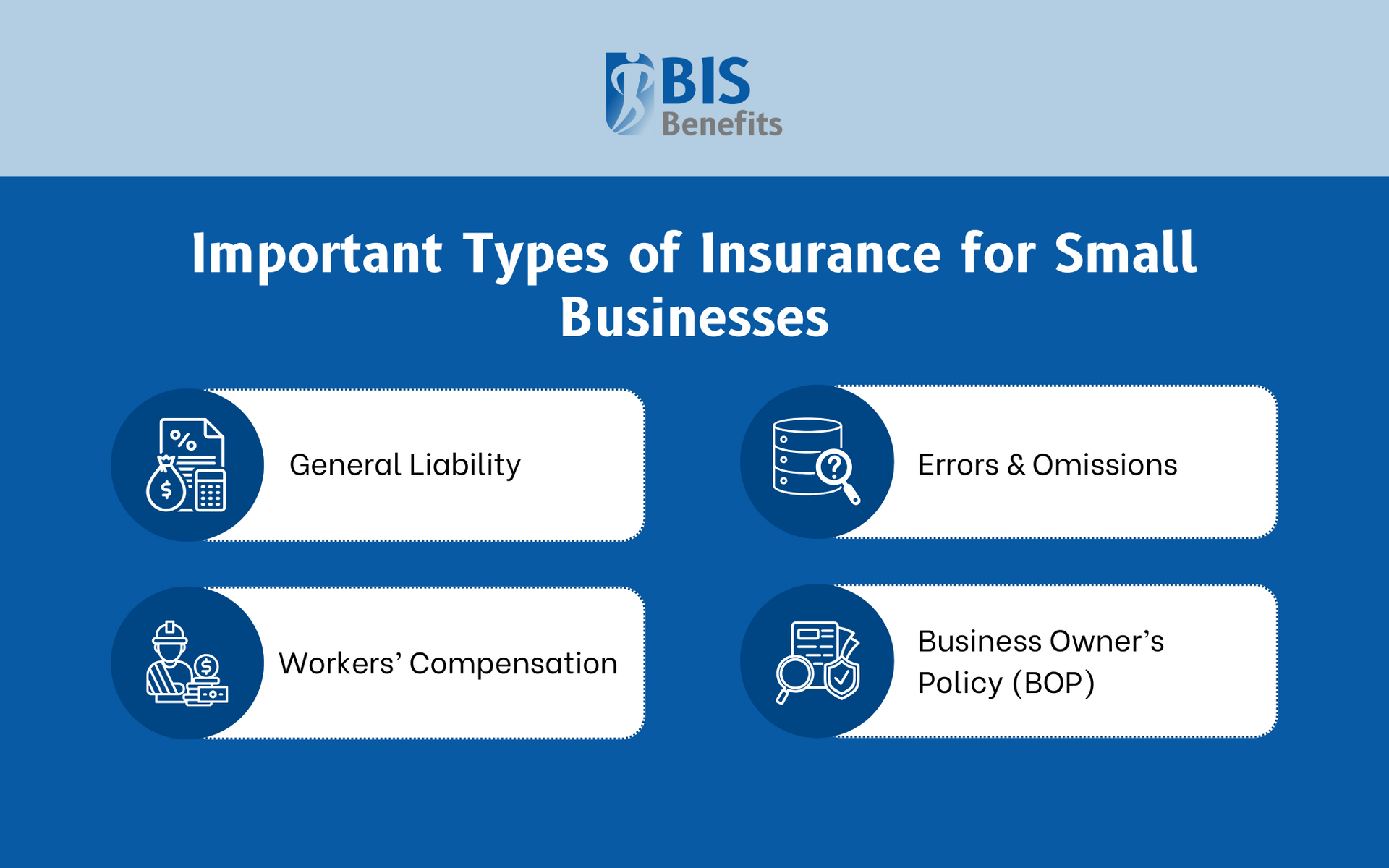
Let’s dive into the different types of insurance that can protect your business from unexpected risks. We’ll also see which types are best suited for specific industries.
Understanding General Liability Insurance
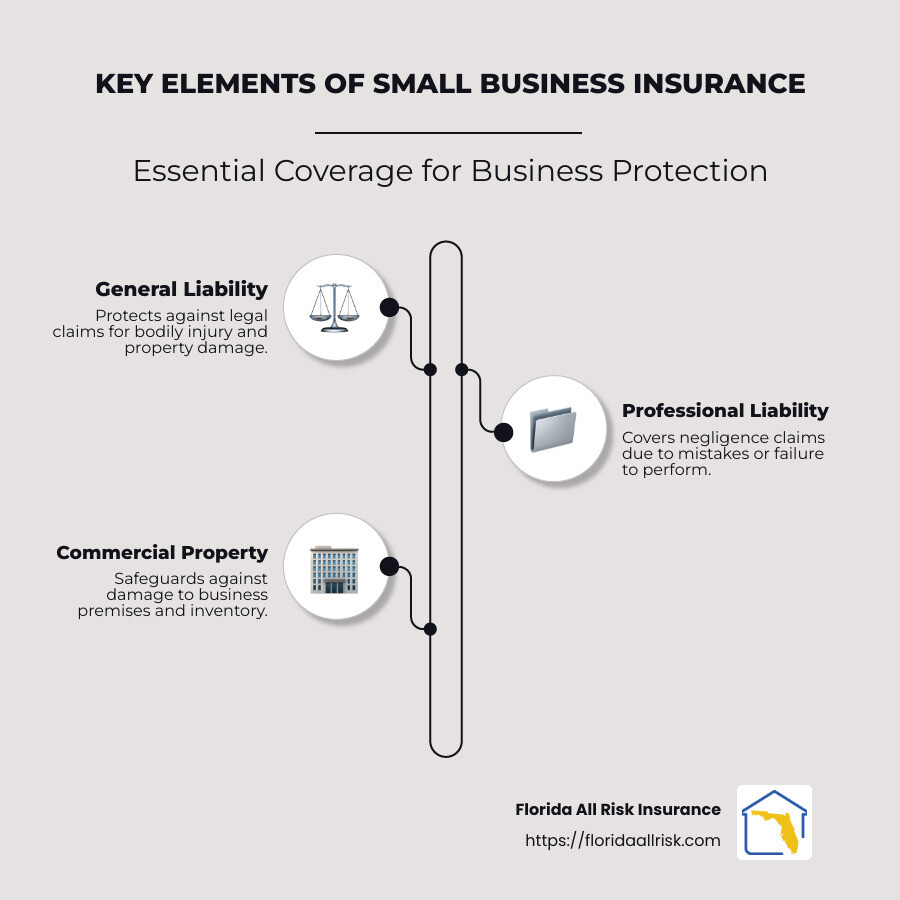
General liability insurance is your first line of defense against accidents. It covers property damage, bodily injury, and legal fees. But here’s the deal: it doesn’t cover everything.
This insurance is a must-have for every business, whether you’re running a coffee shop or a tech startup.
| Insurance Type | Coverage | Pros | Cons |
|---|---|---|---|
| General Liability | Property damage, bodily injury, legal fees | Broad coverage, protects against common risks | Doesn’t cover employee injuries or auto accidents |
| Professional Liability | Negligence, errors, malpractice | Essential for service providers | Doesn’t cover intentional wrongdoing |
| Commercial Property | Building, equipment, inventory | Protects physical assets | Doesn’t cover natural disasters without a rider |
| Workers’ Compensation | Employee injuries, lost wages, medical expenses | Complies with legal requirements | Higher premiums in risky industries |
Key Insurance for Service-Based Businesses
Service industries like consulting and healthcare need Professional Liability Insurance. It covers you if a client claims you made a mistake or offered bad advice.
Pro Tip: If you provide any kind of service, this insurance saves you from costly lawsuits.
Without it, one small error could cost you big bucks.
Determining the Right Fit for Retail Businesses
Retailers, listen up. You need a combination of General Liability and Commercial Property Insurance. While the former safeguards against customer claims, the latter protects your inventory and storefront.
Consider adding a Business Owner’s Policy (BOP), which bundles these coverages for cost-effectiveness.
Cost Factors of Small Business Insurance
Did you know that the cost of small business insurance can vary as much as 83% depending on certain factors? It’s crucial to understand what drives these costs so you can make informed decisions and keep your expenses under control.
The cost of insurance for small businesses isn’t a one-size-fits-all situation. Several dynamic factors come into play that can either raise or lower your premiums. Let’s dive into these factors to help you get the best bang for your buck.
Key Influencers of Insurance Cost
Several factors play a pivotal role in determining your insurance premiums. First, consider the industry your business operates in. High-risk industries like construction or manufacturing typically face higher costs. Next, the location of your business can significantly impact your rates. Businesses in areas prone to natural disasters usually pay more.
Don’t forget about your claims history. A clean record could reward you with lower premiums. Finally, the specific coverage and policy limits you choose will directly influence your cost. More comprehensive policies naturally come with higher price tags.
Impact of Business Size on Premiums
How big is your business? The size of your business can dramatically affect your insurance premiums. Larger businesses usually require more coverage, which translates to higher costs. This is because there’s simply more to protect—more employees, more equipment, more risk.
However, it’s not all bad news for small businesses. Smaller operations might benefit from lower premiums since there’s typically less risk involved. But here’s the deal: regardless of size, it’s crucial to find the right balance of coverage to protect your assets without overpaying.
Strategies to Lower Insurance Costs
Want to cut down on your insurance costs? Here are some actionable steps to help you out. Step #1: Increase your deductible. By opting for a higher deductible, you can reduce your premium. Step #2: Bundle your policies. Insurers often offer discounts if you purchase multiple policies from them.
Step #3: Implement a risk management plan. This can include safety training for employees or upgrading security systems, which can lead to lower premiums as you mitigate potential risks.
Pro Tip: Shop around and compare quotes from multiple insurers. A little research can lead to significant savings!
Choosing the Right Insurance Provider
Picking the right insurance provider for your small business is crucial. Get it wrong, and you could face massive setbacks.
But how do you ensure you’re making the right choice? You need to look beyond just the premiums. Let’s dive into the key factors and questions you should consider when selecting a provider.
Key Considerations for Selecting an Insurance Provider
When choosing an insurance provider, you need to evaluate their financial stability. A company that can’t pay claims is a risk you can’t afford to take. Check their ratings with agencies like A.M. Best. Also, consider their industry expertise. Do they understand the unique risks associated with your business?
Another critical factor is their customer service. How responsive are they in times of need? Read reviews and ask for references to gauge their reliability. Finally, look at the range of coverage options they offer. You need a tailored solution, not a one-size-fits-all policy.
Questions to Ask Potential Insurance Providers
Before you commit, ask potential providers these crucial questions:
- What types of coverage do you recommend for my industry?
- How do you handle claims processing?
- Can you provide testimonials from other small businesses?
- What is your policy on coverage upgrades or downgrades?
- Are there any discounts available?
These questions will help you gauge their understanding of your business and their commitment to service.
Evaluating Insurance Provider Reliability
Here’s the deal: You need a systematic approach to evaluate insurance provider reliability. Start by checking their claim settlement ratio. A high ratio indicates they are more likely to honor claims. Next, scrutinize their customer feedback; consistent praise or complaints can be very telling.
You should also assess their transparency in terms and conditions. Hidden clauses are a red flag. Lastly, don’t underestimate the power of a good referral. If other business owners trust them, that’s a positive sign.
Pro Tip: Always compare quotes from at least three providers to ensure you’re getting the best deal.
Legal Requirements and Compliance
Did you know that failing to comply with small business insurance laws can cost you big? The consequences aren’t just limited to hefty fines; it could also mean shutting your doors for good.
Understanding the legal requirements for small business insurance is crucial. Every region has its own set of rules, and staying compliant is not optional—it’s mandatory. Let’s dive into what you need to know so you can keep your business safe and sound.
Legal Requirements for Small Business Insurance by Region
Depending on where you’re located, the insurance requirements for your small business can vary significantly. Here’s a handy table to help you navigate the legal landscape:
| Region | Insurance Requirement |
|---|---|
| California | Workers’ Compensation, General Liability |
| New York | Disability Benefits, Workers’ Compensation |
| Florida | General Liability, Professional Liability |
| Texas | Optional Workers’ Compensation, General Liability |
Common Compliance Requirements
You’ve got to keep an eye on compliance, or it might bite you when you least expect it. Here are some of the most common compliance requirements every small business owner should know:
- Have proof of insurance readily available.
- Regularly update your coverage as your business grows.
- File required forms with state and local authorities.
- Maintain accurate records of claims and coverage.
Here’s the deal: non-compliance can lead to more than just penalties. It can damage your business reputation and result in legal action.
Consequences of Non-Compliance
So, what happens if you don’t play by the rules? Well, aside from possible legal action, your business can face severe repercussions. Ignoring insurance laws can lead to:
- Stiff fines that cut into your bottom line.
- Suspension or revocation of business licenses.
- Ineligibility for certain contracts and opportunities.
Pro Tip: Always consult with a legal expert in your area to ensure you’re not missing any critical requirements. It’s better to be safe than sorry!
Ultimately, staying informed and compliant is not just about avoiding penalties; it’s about safeguarding your business’s future.
Case Studies and Real-World Examples
Did you know that 40% of small businesses never reopen after a disaster? Shocking, right? This is where the power of business insurance becomes a lifeline. Let’s dive into some real-world examples.
These stories highlight how having the right insurance policies can save businesses from the brink of collapse. From natural disasters to unforeseen accidents, insurance has been the unsung hero in many successful recovery stories.
Success Stories of Insured Businesses
Imagine a bakery in Florida hit by a hurricane. Sounds devastating? It was. But with proper insurance coverage, they managed to reopen in just three months. Their policy covered physical damages and business interruption, allowing them to rebuild while supporting their employees.
Similarly, a tech startup in California faced a serious data breach. Thanks to their cyber liability insurance, they swiftly managed the crisis, restored trust with clients, and avoided hefty legal fees.
Lessons from Businesses Without Insurance
Learning from others’ mistakes can be invaluable. Here are some hard-learned lessons:
- Lack of property insurance left a retailer bankrupt after a fire.
- Without liability coverage, a café faced lawsuits that drained its resources.
- Absence of business interruption insurance meant a prolonged closure and lost revenue for a local gym.
- Ignoring cyber threats cost an e-commerce store its reputation and customer trust.
How Specific Policies Aid Crisis Recovery
Ever heard of a business shutting down due to a simple slip-and-fall accident? Unfortunately, it’s quite common. General liability insurance can prevent this fate by covering medical and legal expenses. This was the case for a small boutique that avoided closure thanks to its comprehensive policy.
Now, let’s talk natural disasters. When a flood hit a community, one prepared restaurant quickly bounced back. Their flood insurance covered extensive repairs and replacement of damaged equipment. They became a community hub for recovery efforts, further boosting their reputation and customer loyalty.
Pro Tip: Always review your policy limits and ensure they align with your business needs!
Summary
As we wrap up, remember that small business insurance isn’t just a box to tick off your to-do list; it’s a crucial investment in the longevity and success of your business. By understanding the various types of insurance, the factors influencing their cost, and how to choose the right provider, you’re setting your business up for resilience and growth. Don’t wait for disaster to strike. Take proactive steps today to ensure your business remains a strong contender in your industry.
Common Queries
What are the key benefits of small business insurance?
Small business insurance provides financial protection against unforeseen events, helps ensure business continuity, and enhances credibility with clients and partners.
How can small businesses reduce their insurance costs?
Businesses can reduce insurance costs by bundling policies, maintaining a safe work environment, and regularly reviewing coverage to eliminate unnecessary options.
What factors influence the cost of small business insurance?
Factors include business size, industry risk, location, claim history, and coverage amount.
Why is choosing the right insurance provider important?
The right provider ensures reliable coverage, excellent customer service, and a policy that meets your business’s specific needs.
Are there legal requirements for small business insurance?
Yes, legal requirements vary by region and industry, but common mandates include workers’ compensation, general liability, and commercial auto insurance.
