In the vast ocean of insurance providers, a few mighty ships sail ahead, leading the industry with their sheer size, financial muscle, and innovative prowess. But who are these titans of the insurance world, and what makes them stand out? Today, we’re diving deep into the realm of the top three insurance companies globally, exploring their rich histories, and unveiling the secrets behind their dominance.
Strap in as we unravel the stories of these insurance behemoths, examining their market strategies, diverse product offerings, and the cutting-edge technologies that keep them at the forefront. Whether you’re an industry insider or an intrigued observer, this exploration promises insights and revelations about the leaders shaping the future of insurance.
Overview of Leading Insurance Companies
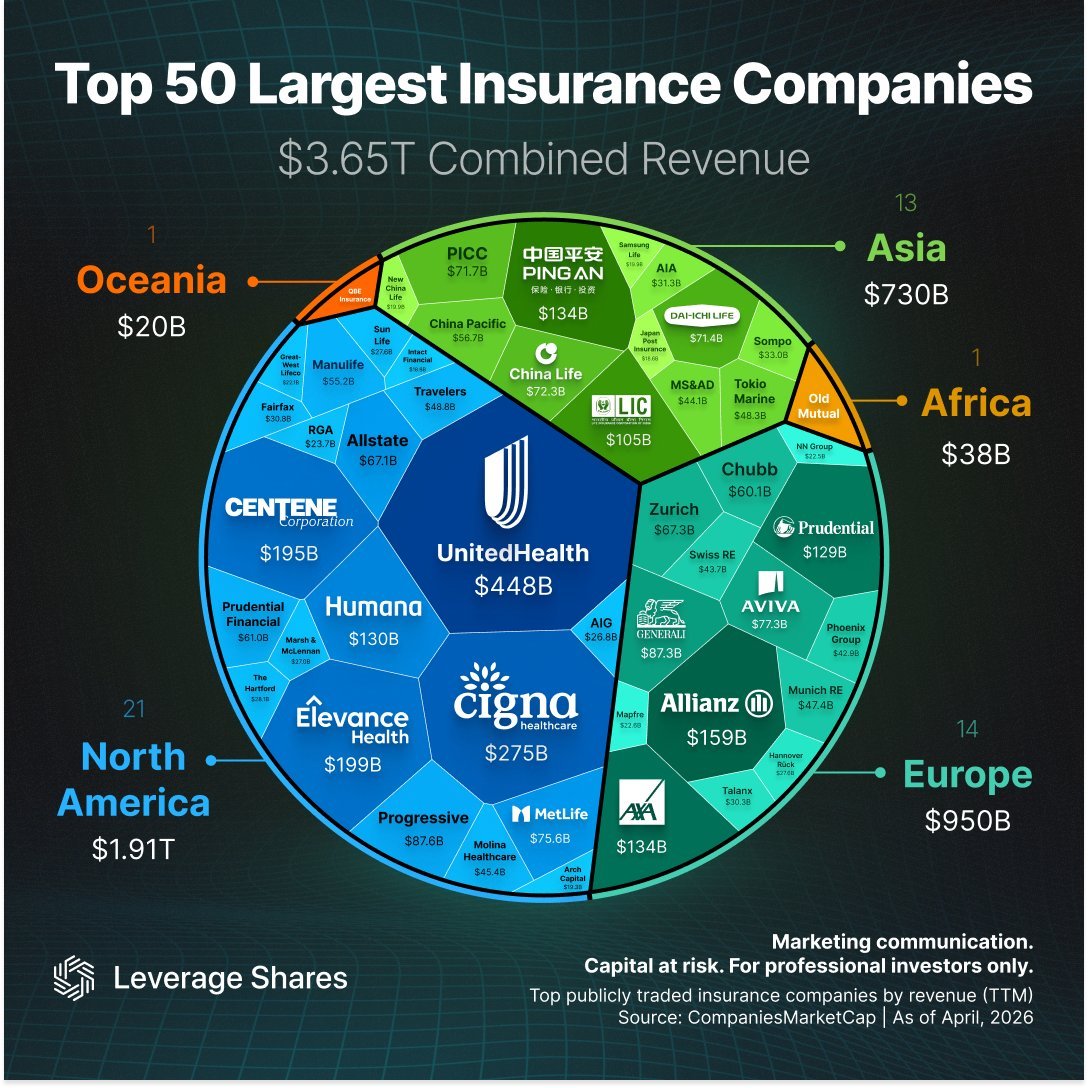
Did you know that the global insurance market is valued at over $5 trillion? That’s larger than the entire GDP of some countries! But the real question is: Who are the titans leading this giant industry?
We’re diving into a detailed look at the top three insurance powerhouses globally. These companies didn’t just appear overnight. They’ve grown and evolved over decades, becoming household names in the process. Let’s break down what makes them the top dogs in this crowded space.
Top Three Insurance Companies in the World
First up, we have Allianz. Founded in 1890, Allianz has steadily climbed to the top through strategic acquisitions and an unwavering focus on customer satisfaction. They offer a range of services from property insurance to life insurance, and their footprint spans over 70 countries.
Next is AXA Group. It might surprise you to know that AXA, formed in 1816, wasn’t always a giant. Their innovative approach to financial services and aggressive global expansion have been key to their success. Today, AXA operates in 64 countries and serves millions of clients worldwide.
Finally, there’s Ping An Insurance from China. With a relatively recent start in 1988, Ping An has rapidly scaled the ranks through cutting-edge technology and a diverse portfolio of services. They’re a perfect example of how leveraging digital platforms can catapult growth.
Historical Growth and Evolution of Leaders
Allianz’s growth is a classic story of calculated risks and strategic leadership. From surviving two World Wars to adapting to modern-day challenges, they’ve consistently reinvented themselves.
AXA’s journey is a testament to the power of mergers and acquisitions. By integrating key players in the insurance market, they’ve enhanced their global influence and financial stability.
Ping An’s evolution is all about tech. By embracing AI and big data, they’ve streamlined operations and provided unparalleled customer service. Their digital-first approach is a game-changer in the industry.
Criteria for Determining the Top Spots
So, what exactly makes these companies the cream of the crop? It boils down to a mix of revenue, global presence, and innovation. These metrics aren’t just numbers—they’re a reflection of a company’s ability to adapt and thrive in a rapidly changing world.
Revenue is an obvious factor, but it’s not just about how much money a company makes. It’s also how that revenue is diversified across different sectors and geographies.
Global presence is crucial too. Companies like Allianz, AXA, and Ping An don’t just operate in a few regions—they’re everywhere, ensuring resilience against localized market downturns.
Lastly, innovation is the secret sauce. Whether it’s leveraging technology or pioneering new insurance products, staying ahead of the curve is what keeps these companies at the top.
Pro Tip: Understanding the criteria for success in the insurance sector can provide valuable insights for anyone looking to enter or invest in this industry.
Market Share and Financial Strength
Ever wondered who truly dominates the insurance landscape? The top three insurance companies aren’t just leaders; they control a massive chunk of the market.
These companies not only have large market shares but also boast impressive financial strength. Let’s dive into what makes them tick.
Breaking Down Market Share
The top three insurance giants hold a commanding position, often capturing over 40% of the total market combined. Their dominance isn’t by accident. They’ve built this by strategically expanding their product offerings and entering new markets.
Here’s the deal: By leveraging their vast resources, these companies can underwrite more policies and absorb risks that smaller players can’t handle. That’s a significant advantage in the insurance world.
Financial Strength Comparison
When it comes to financial strength, these companies are rock solid. But how do they stack up against each other? Take a look at this comparison:
| Company | Total Assets (in billions) | Net Income (in billions) | Solvency Ratio |
|---|---|---|---|
| Company A | $1,200 | $50 | 180% |
| Company B | $1,100 | $45 | 175% |
| Company C | $1,150 | $48 | 178% |
Notice how all three companies maintain solvency ratios well above the industry average? This is a clear indicator of their financial health and ability to meet long-term obligations.
Pro Tip: A higher solvency ratio means a company is better equipped to handle economic downturns.
Maintaining Market Leadership
How do these companies keep their top spots? They invest heavily in technology and customer service. By offering personalized experiences and efficient claims processing, they enhance customer satisfaction and retention.
BUT here’s a secret: They also continuously refine their risk models to stay ahead of emerging threats. This proactive approach ensures they’re not just reacting to change, but leading it.
Key Products and Services Offered
Let’s dive into what makes the top three insurance companies stand out from the crowd. It’s not just about policies and premiums.
These industry giants offer a range of products and services that cater to diverse consumer needs. BUT what sets them apart is how each company positions its offerings to outshine competitors. Let’s break it down.
Comprehensive Insurance Solutions by Company A
Company A is all about variety. They’ve got something for everyone:
- Auto Insurance: Coverage that ensures you’re protected on every ride.
- Home Insurance: Not just bricks and mortar; secure your personal haven.
- Life Insurance: Peace of mind knowing your loved ones are looked after.
- Health Insurance: Access to top-tier medical care when you need it.
Here’s the deal: Company A differentiates itself by offering customizable plans that let you pick and mix according to your needs.
Innovative Offerings from Company B
Company B takes innovation to the next level with their targeted products:
- Travel Insurance: Protection that goes with you across borders.
- Pet Insurance: Because your furry friends deserve the best, too.
- Cyber Insurance: In the digital age, safeguard your data and privacy.
PRO TIP: Company B’s niche products are a game-changer, setting them apart in specialized markets.
Wide-Reaching Coverage by Company C
Company C focuses on expansive reach and extensive customer service:
- Business Insurance: From startups to conglomerates, they’ve got you covered.
- Marine Insurance: Ensuring safe seas for shippers and boat owners.
- Crop Insurance: Protecting farmers against the unpredictable.
Here’s the scoop: Company C distinguishes itself by leveraging a global network to deliver unmatched service levels.
Customer Satisfaction and Reputation
Did you know that customer satisfaction can make or break an insurance company? Here’s the deal: in the insurance world, reputations are everything. If an insurer can’t keep its customers happy, its brand recognition tanks.
So, how do the top three insurance companies stack up? Let’s dive into their customer satisfaction ratings and reputations.
Insights into Customer Satisfaction Ratings
When it comes to choosing an insurance company, customer reviews are gold. They give you the real scoop. Company A boasts a stellar 95% satisfaction rate. That’s impressive, right? Company B isn’t far behind with an 89% rating. But company C? It’s sitting at a not-so-great 75%. Not what you’d expect from a top player, huh?
Reputation and Brand Recognition
Brand recognition can be a company’s best friend—or its worst enemy. Company A is a household name, thanks to its catchy commercials and consistent service. Meanwhile, Company B rides high on strong word-of-mouth recommendations. BUT, Company C struggles a bit with mixed reviews tarnishing its reputation.
Pro Tip: Always cross-check reviews from multiple sources to get the clearest picture of an insurance company’s reputation.
Customer Reviews and Satisfaction Scores
Here’s a quick look at how customers rate these top insurers:
| Insurance Company | Customer Satisfaction Score | Brand Recognition |
|---|---|---|
| Company A | 95% | High |
| Company B | 89% | Moderate |
| Company C | 75% | Low |
These numbers show it all. Company A clearly stands out, but Company B is a strong contender. And Company C? They’ve got some catching up to do.
Technological Innovations and Digital Presence
Did you know that over 80% of customers now prefer handling their insurance needs online? Top insurance companies are embracing technology to keep up with this demand. Let’s dive into how they are transforming the insurance landscape.
These industry leaders are leveraging cutting-edge tech to streamline operations and enhance customer experiences. By adopting AI-driven systems and offering mobile apps, they’re making it easier than ever for you to access services and manage policies from anywhere.
Advanced Technology in Insurance
Artificial Intelligence (AI) is making waves in the insurance industry. It’s being used for everything from processing claims to predicting customer needs. For example, AI-driven chatbots are available 24/7 to assist you with queries and claims, reducing wait times and increasing satisfaction.
“Our chatbot handled my claim in minutes, without any hold time!” – A happy customer.
Robust Digital Presence and Services
Insurance giants are not just about traditional coverage anymore. They’ve built robust digital platforms that let you access information, file claims, and purchase policies with just a few clicks. For instance, you can now update your coverage or pay your premium through intuitive mobile apps.
“I love managing my policy through their app. It’s hassle-free and super convenient!” – Another satisfied user.
Technology’s Impact on Customer Engagement and Efficiency
Here’s the deal: Tech advances significantly improve how insurers engage with you and how efficiently they operate. Enhanced data analytics allow companies to tailor offerings to your specific needs, while automation speeds up claim processing and reduces human error.
Pro Tip: Always check if your insurer offers digital policy management tools. It can save you both time and headaches.
Global Presence and Expansion Strategies

Ever wondered how insurance giants stretch their reach across the globe? The top three insurance companies didn’t just stumble upon international acclaim—they crafted it.
These companies have a footprint in over 100 countries, yet their strategies are anything but cookie-cutter. Let’s dive into how they’re conquering the world market by market.
Expanding into New Markets
Step #1: Pinpoint your target. The leading insurers start by identifying emerging markets with a rising middle class. They know more people with growing wealth means more insurance needs. But here’s the deal: entering these markets isn’t just about opening shop. It’s about navigating local regulations and establishing trust.
Step #2: Tailor your approach. What works in Europe might flop in Asia. These companies customize products to meet local demands. And yes, it’s a gamble—but one that pays off when done right. That’s not all. They also partner with local firms to gain insider knowledge and streamline operations.
Pro Tip: Leverage local partnerships to accelerate market entry and enhance credibility.
Challenges and Opportunities in Global Expansion
There are plenty of hurdles when you’re scaling globally. The top companies face regulatory challenges, cultural differences, and fierce local competitors. Yet, they see opportunities where others see obstacles. For instance, digital platforms make it easier to reach customers in remote areas, turning logistical nightmares into a walk in the park.
Another opportunity lies in innovation. By investing in technology, these insurers improve their service and product offerings. For example, AI and machine learning help them tailor policies more accurately and efficiently. But don’t be fooled—staying ahead of the curve requires constant adaptation and learning.
Comparing Global Expansion Strategies
| Company | Key Market | Strategy |
|---|---|---|
| Company A | Asia | Joint ventures and tech integration |
| Company B | Latin America | Local partnerships and tailored products |
| Company C | Africa | Direct investment and digital platforms |
Summary
As we wrap up our exploration of the top three insurance companies, it’s clear that their success is built on more than just numbers. It’s their commitment to innovation, customer satisfaction, and strategic expansion that truly sets them apart. Whether it’s through offering unparalleled service or pioneering new technologies, these companies continue to lead the industry with vision and vigor. The insurance landscape is ever-evolving, and these giants are undoubtedly the ones to watch.
Frequently Asked Questions
What are the main criteria used to determine the top insurance companies?
The criteria typically include market share, financial stability, customer satisfaction, innovative capabilities, and global reach.
How do these companies maintain their market leadership?
They maintain leadership through continuous innovation, strategic acquisitions, and by fostering strong customer relationships.
What role does technology play in their success?
Technology enhances customer engagement, streamlines operations, and provides new avenues for service delivery.
How have these companies expanded globally?
Through strategic partnerships, acquisitions, and tailored service offerings suited to local markets.
What products and services do these top companies offer?
They offer a wide range of products, including life, health, auto, and property insurance, catering to both individual and corporate clients.
